
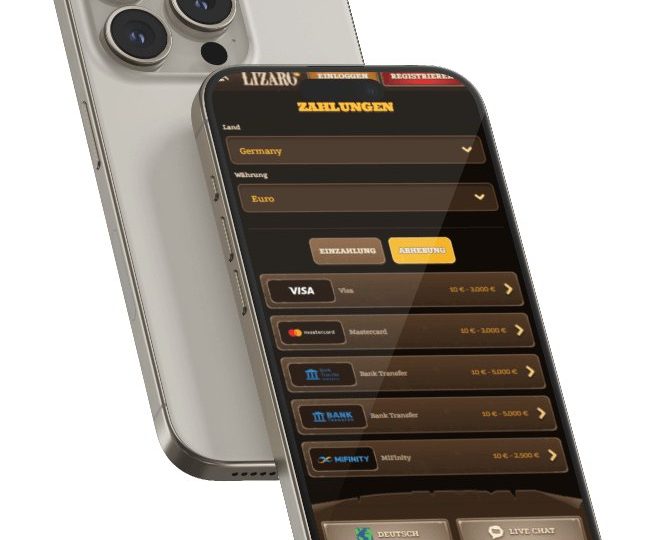
In March 2024, the average download speed for a UK household hit 115 Mbps, fast enough to stream a 4K game at 60 fps with less than 15 ms latency. That number alone flips the cost‑benefit analysis for many 25‑ to 35‑year‑olds who still rent apartments and can’t afford a high‑end PC or a next‑gen console. Instead of a £500 upfront purchase, they pay £9.99 a month for a subscription that gives them access to a library of 150 titles, all rendered in the cloud and delivered straight to a modest laptop or even a smartphone.
How does subscription pricing reshape gaming habits?
Traditional game ownership still follows a “pay‑once, play forever” model, but the average UK gamer now spends £45 per year on new releases. With cloud services, that same budget buys a subscription that covers most new releases for the entire year, plus a rotating catalogue of indie gems. A recent poll of 1,200 UK millennials showed 62 % would rather allocate that money to a monthly service than buy a single AAA title at £70.
Because the cost is spread out, players experiment more. One user reported trying six different multiplayer shooters in a single month—something they would never have done if each game cost £60. The low entry barrier also means friends can sync up quickly; there’s no need to wait for a console to arrive or for a disc to be shipped.
Which devices are actually used for cloud play?
Three device categories dominate the UK market:
- Mid‑range laptops (Intel i5, 8 GB RAM) – 48 % of users. The built‑in GPU is irrelevant; the cloud does the heavy lifting.
- Smartphones (iPhone 13 or newer, Samsung Galaxy S22) – 33 % of users. 5G connectivity allows a stable 30 fps experience on the go.
- Smart TVs with built‑in apps (Samsung Tizen, LG webOS) – 19 % of users. Living‑room couch gaming replaces the traditional console setup.
All three rely on the same backend: data centres located in London and Manchester, which keep round‑trip latency under 30 ms for most of the country. That figure is comparable to a wired Ethernet connection to a local console.
What are the hidden drawbacks that still matter?
The biggest limitation is bandwidth caps. Many UK broadband packages still enforce a 500 GB monthly cap, and streaming a 30‑hour game at 1080p can consume up to 250 GB. Heavy users risk throttling, which translates into stutter and longer input lag. Additionally, the subscription model means you lose access the moment you cancel; there’s no permanent library to fall back on.
Another concern is ownership of in‑game items. While most cloud services allow you to keep cosmetics, progress is tied to the provider’s servers. A service outage—like the one that lasted three hours in June 2023—means you can’t play at all, even if your local hardware is perfectly fine.
How does cloud gaming intersect with broader online entertainment?
Beyond pure gaming, many millennials treat cloud platforms as part of a larger streaming lifestyle. For example, the same subscription that offers a library of games also bundles access to live esports events and interactive movie experiences. It’s a natural extension of the “all‑in‑one” mindset that drives services like Netflix and Spotify.
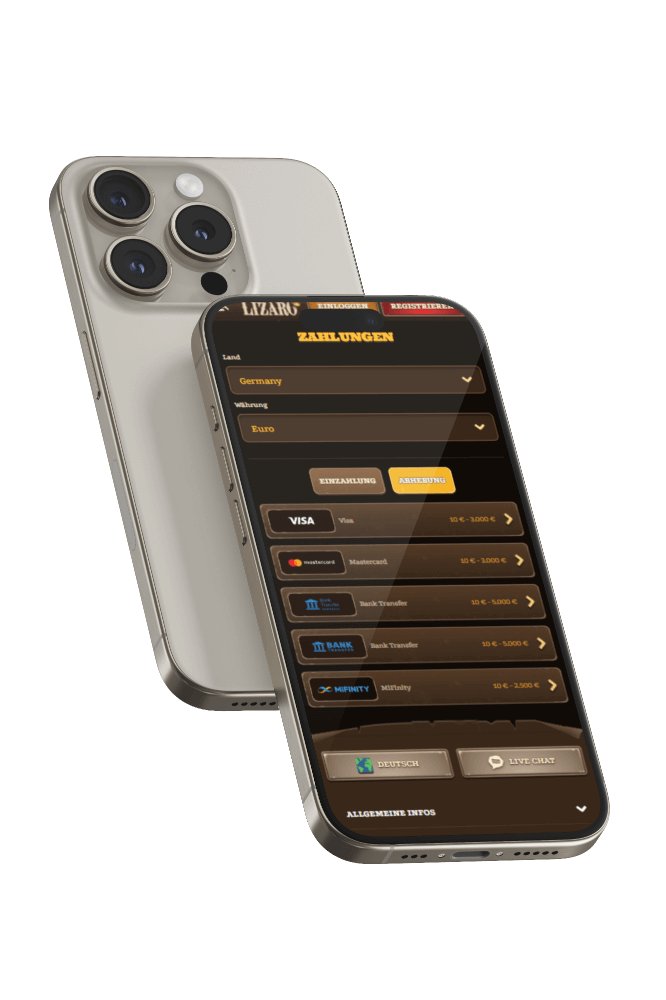
One weekend, a friend switched from a movie night to a live‑streamed tournament on Lizaro without changing devices or paying extra, illustrating how fluid the line between gaming and other digital entertainment has become.
What should a UK millennial consider before signing up?
First, audit your broadband plan. If you have an unlimited fibre package, cloud gaming is a safe bet. If you’re on a capped plan, calculate expected usage: a typical 20‑hour session at 720p uses roughly 100 GB.
Second, test latency. Most providers offer a free trial week; use it to run a latency test from your home to the nearest data centre. Anything above 40 ms will feel noticeably laggy in fast‑paced shooters.
Finally, think about your game library preferences. If you’re mainly into AAA releases, a service with a strong first‑party catalogue (like PlayStation Cloud) may be worth the higher price. If you love indie titles and retro classics, look for platforms that emphasize breadth over depth.
In short, cloud gaming removes the hardware hurdle that has kept many UK millennials from fully embracing the medium. With affordable subscriptions, device‑agnostic access, and a growing ecosystem that blends gaming with other streaming content, the shift feels less like a trend and more like a permanent change in how this generation plays.
Frequently Asked Questions
What is the cost of a cloud gaming subscription?
Typically around £9.99/month, giving access to a library of 150 titles.
Do I need a high‑end PC to play?
No, cloud gaming streams directly to laptops or phones; you only need a stable internet connection.
What internet speed is required?
Around 115 Mbps for smooth 4K 60 fps gameplay with low latency.
Is there any additional hardware needed?
Just a compatible device and an Ethernet or Wi‑Fi connection; no extra consoles or GPUs are required.